

Background
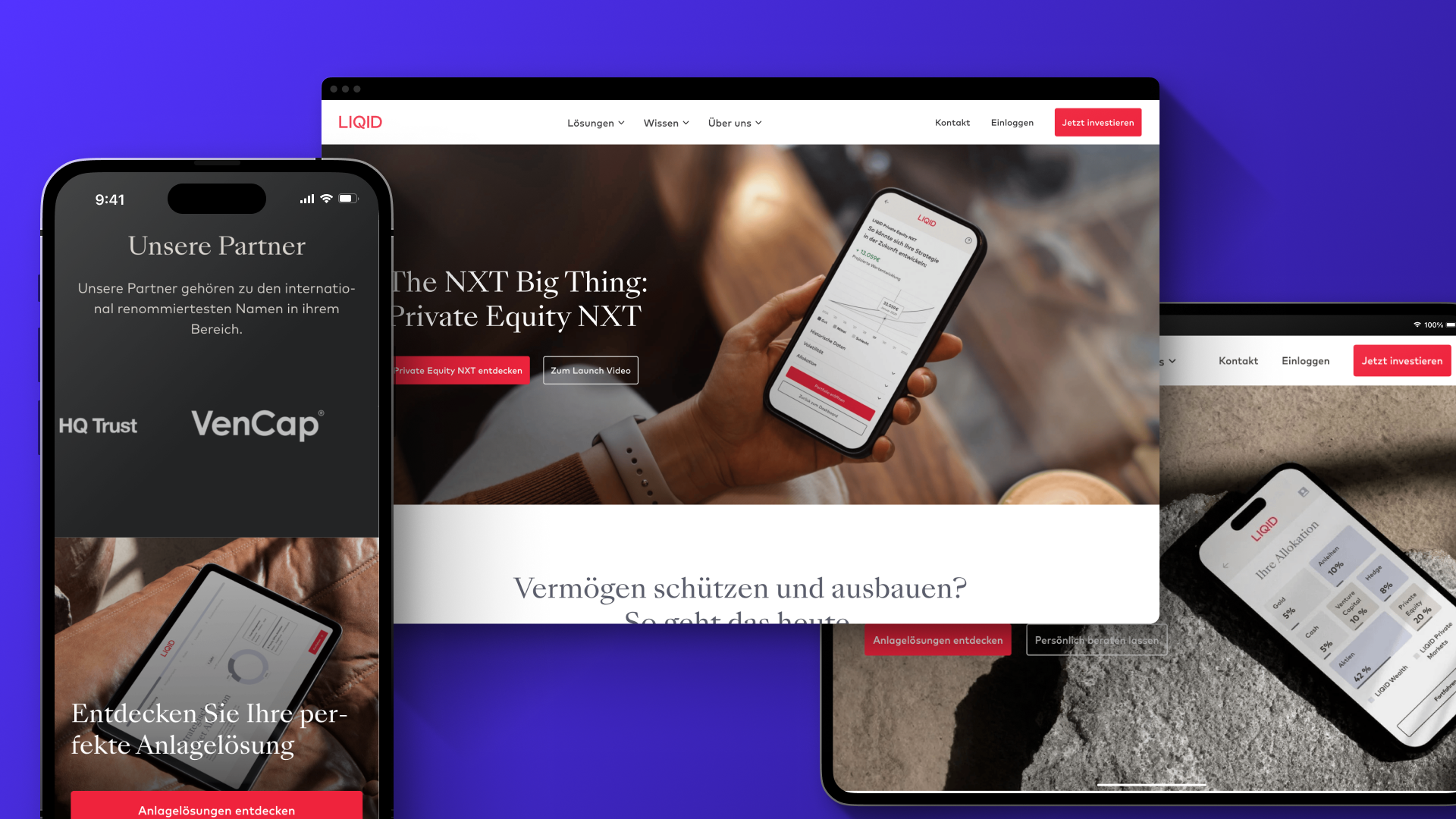
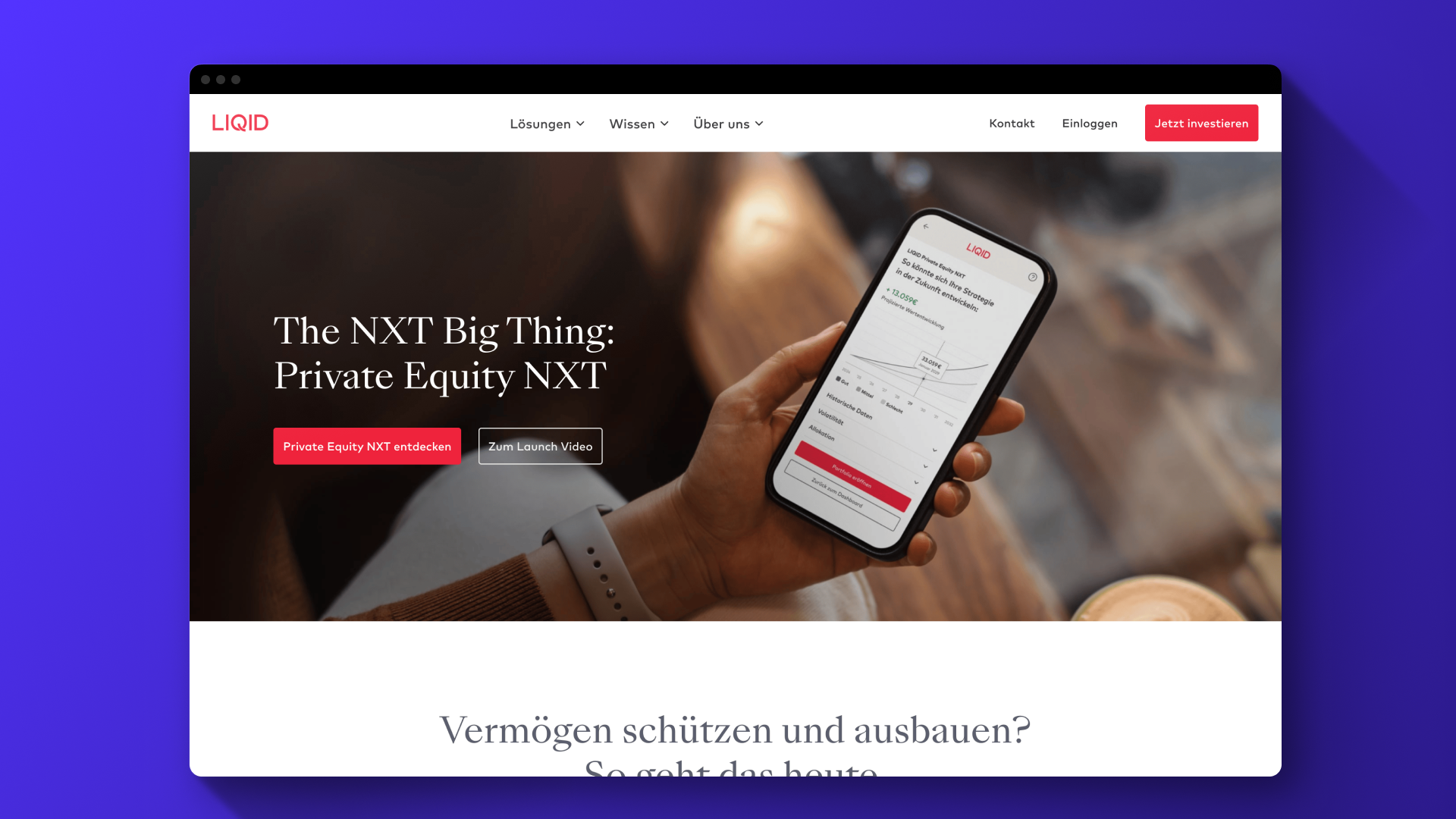
LIQID is a German wealth management firm. Their HubSpot-based website was holding back their marketing and creative teams. Launching new pages was slow, design updates were painful, and the platform limited what they could do. With a freshly hired creative team, migrating to Webflow was their first priority.
What made it hard
This wasn't a simple migration. Auth0 authentication had to work so that logged-in users could access gated content while unauthenticated visitors couldn't. The page count was massive (both CMS and static), pushing Webflow's limits. And they wanted a complete redesign at the same time, which meant clean class naming conventions so the site would be maintainable long-term.
We reviewed and audited designs throughout to make sure everything would translate cleanly into Webflow.
The work
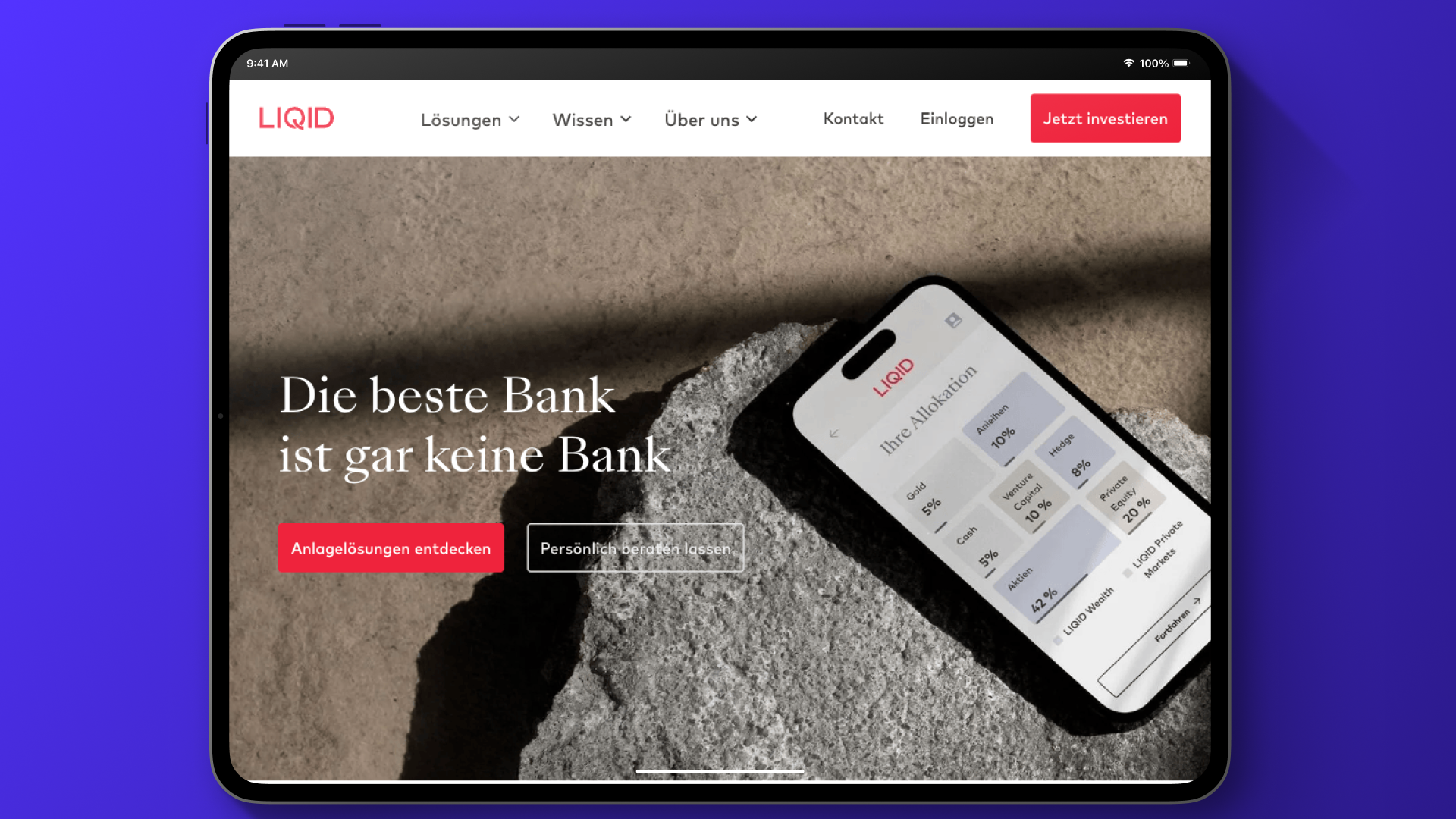
We started with the hardest part first: a proof of concept for the Auth0 integration. If that didn't work in Webflow, the whole migration was off the table. It worked. Design collaboration happened in Figma, where we audited mockups and advised on Webflow-specific best practices.
Development ran in batches, synced with the design team's output. We'd build pages and components as designs were finalized, test them thoroughly, and move to the next batch. After launch, we stayed on to help LIQID ship new features and pages during a period of fast growth.
After launch
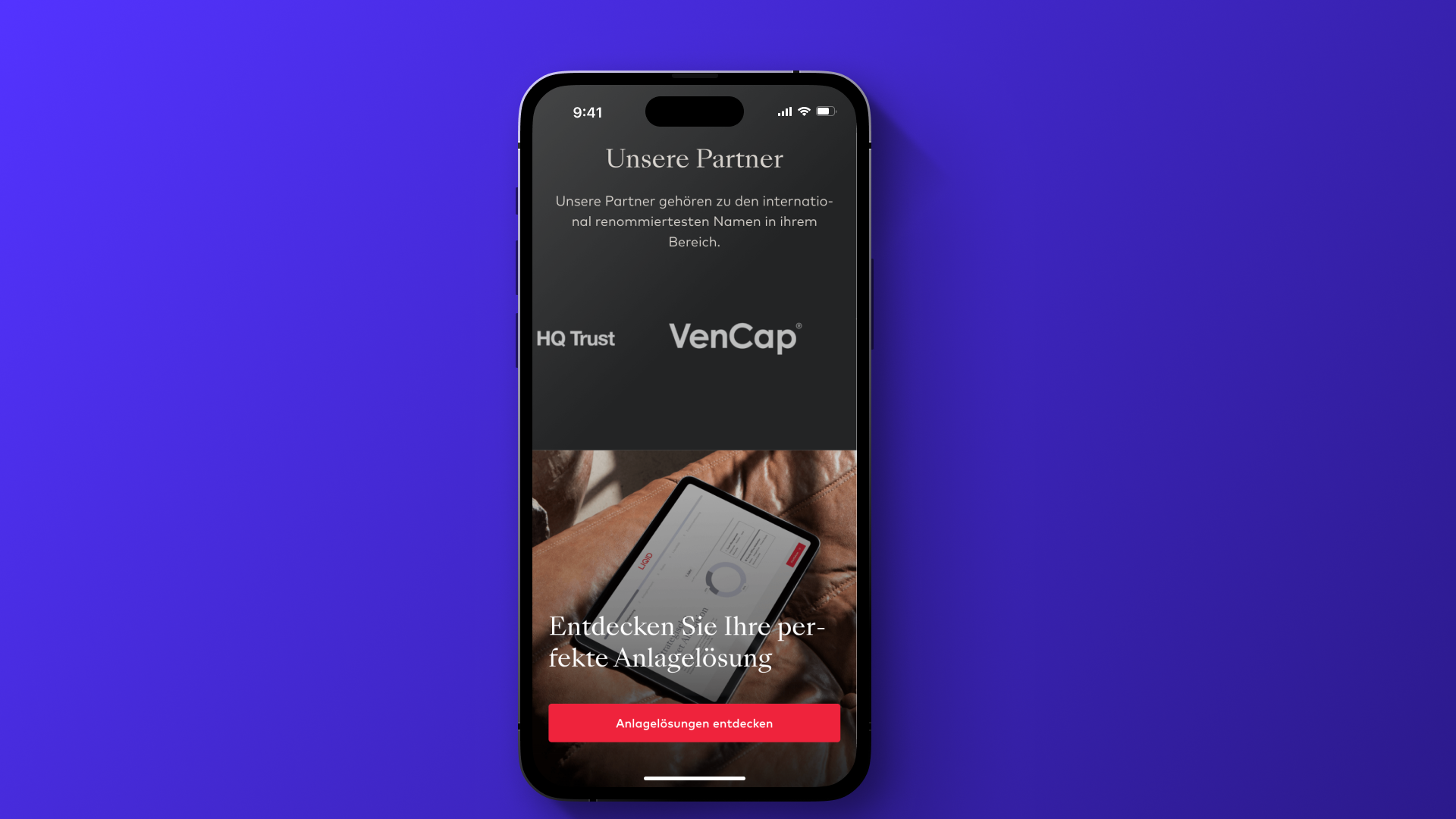
The new Webflow site launched with over 100 pages (CMS and static). LIQID's Enterprise Webflow partnership let them exceed the standard page limit. We trained their development team so they could manage and expand the site on their own after handoff.